The Dark Web: Myths vs. Reality (What's Actually Down There?)
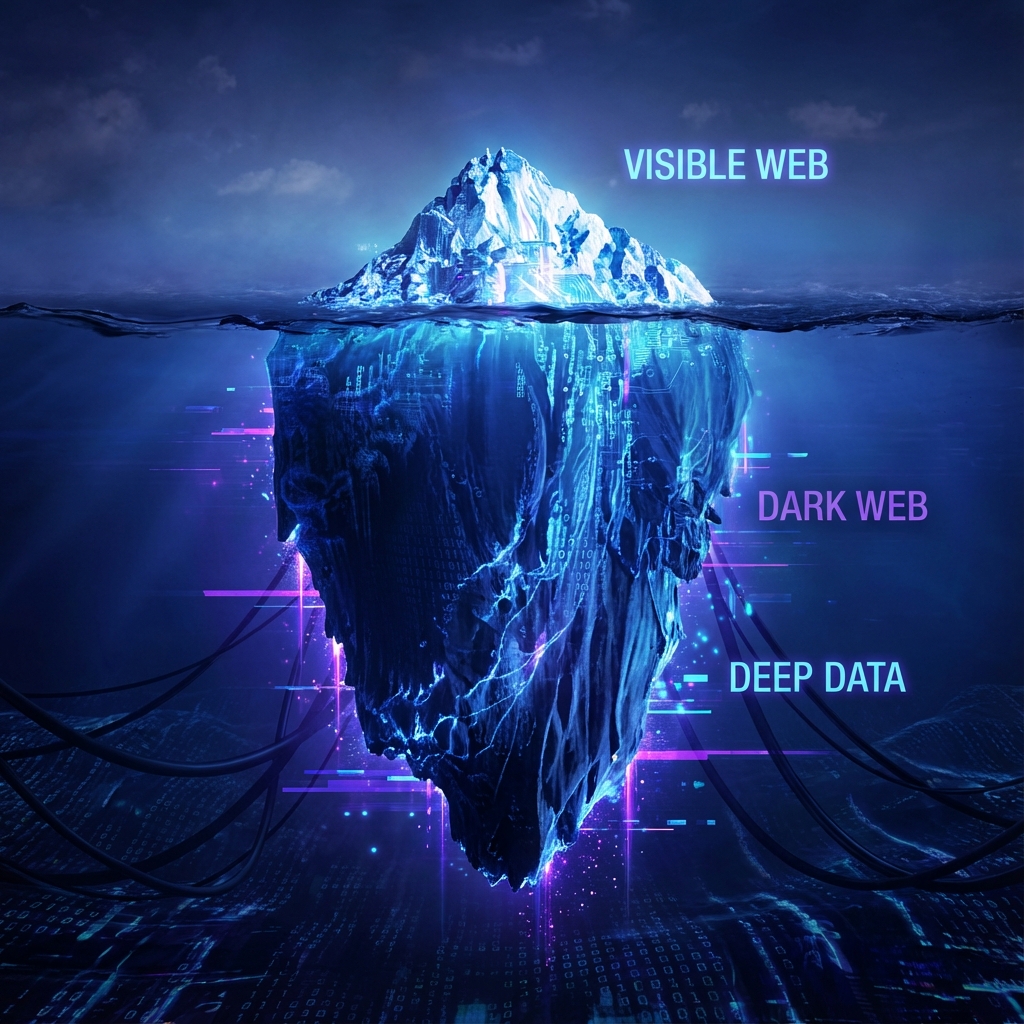
The "Dark Web" is a term that conjures images of hitmen, red rooms, and hackers in hoodies. While criminal activity does exist, the reality is far more nuanced. Let's debunk the biggest myths surrounding the Dark Web.
What is it, really?
The Dark Web is simply a part of the internet that isn't indexed by search engines and requires specific software (like Tor Browser) to access. It uses "onion routing" to anonymize traffic, bouncing your signal through multiple volunteer nodes around the world.
Myth 1: It's all Illegal
Reality: While drug markets (like the now-defunct Silk Road) get the headlines, the Dark Web is also a haven for privacy. Journalists communicate with whistleblowers, activists in oppressive regimes organize protests, and ordinary citizens bypass censorship firewalls (like the Great Firewall of China) using Tor. Even Facebook and the New York Times have .onion addresses.
Myth 2: You'll get hacked just by visiting
Reality: Simply opening a .onion site won't instantly compromise your computer, provided you have a modern, updated browser and aren't downloading random files. However, JavaScript exploits are a risk, which is why Tor Browser keeps JS disabled by default on "Safer" settings.
Myth 3: It's Huge (90% of the internet)
Reality: People confuse the "Deep Web" (unindexed pages like your email inbox or online banking) with the "Dark Web". The Deep Web is massive. The Dark Web (Tor hidden services) is actually tiny—estimated to be only a few thousand active sites, a fraction of the clear web.
The Real Dangers
The danger isn't "Red Rooms" (which are urban legends—streaming live video over Tor is too slow). The real dangers are:
1. Scams: Most "Hacker for Hire" sites are just scams to steal your Bitcoin.
2. Disturbing Content: You might stumble upon illegal or grotesque imagery without warning.
3. Law Enforcement: Visiting certain sites involves legal risks depending on your jurisdiction.
Conclusion
The Dark Web is a tool. Like a hammer, it can be used to build (privacy) or destroy (crime). Understanding it demystifies the fear and highlights the importance of anonymity in the digital age.
Security Toolkit
Providing professional cybersecurity tools for ethical hackers and security researchers.