Mobile Security: Protecting Your Pocket Computer
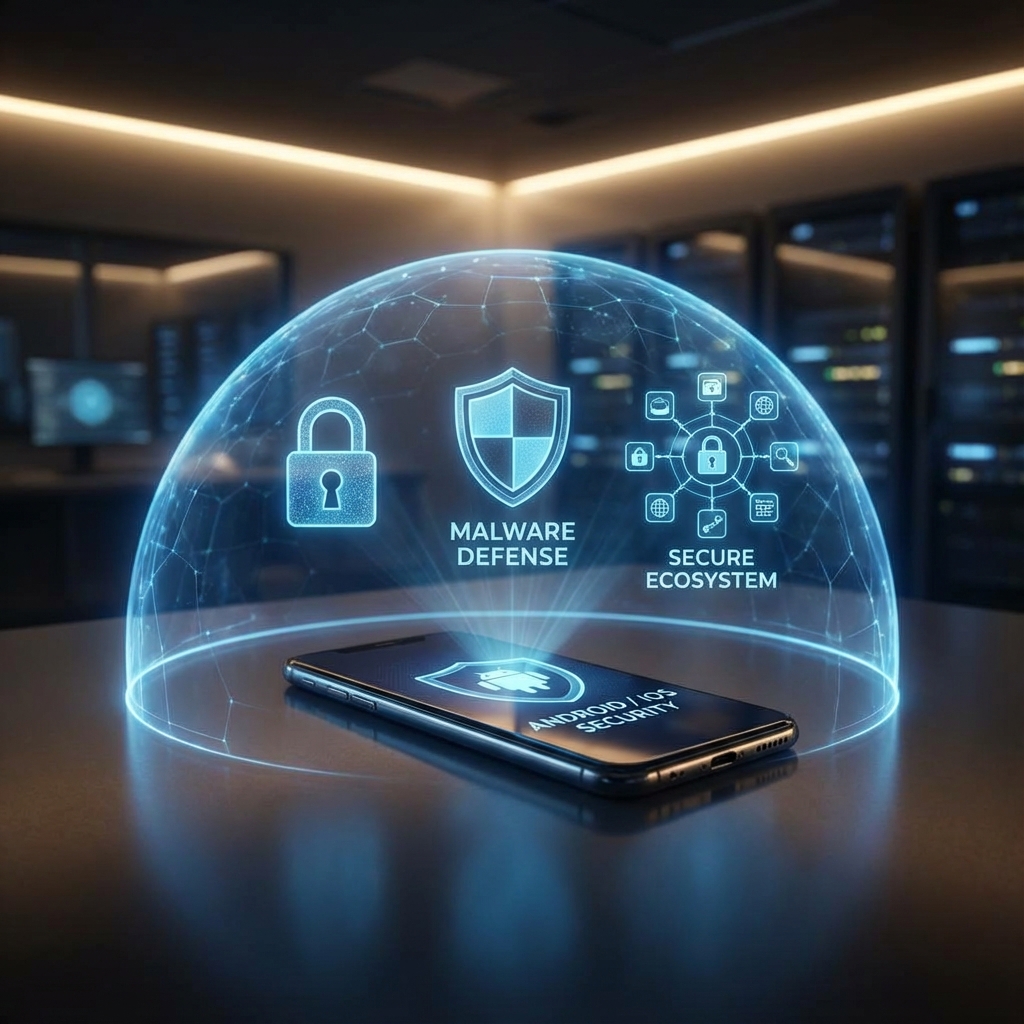
Your smartphone is a pocket computer that knows everything about you: your location, your finances, your health, and your secrets. This makes mobile devices a high-value target for cybercriminals. In 2025, mobile threats are more sophisticated than ever.
The Threat Landscape: Android vs. iOS
Android: Its open ecosystem allows for greater customization but also greater risk. "Sideloading" apps from third-party stores is a common vector for malware. Banking Trojans that overlay fake login screens on top of legit banking apps are a plague on Android.
iOS: While generally more secure due to its "Walled Garden" approach, iPhones are not immune. They are the primary target for advanced spyware like Pegasus, used by nation-states to surveil journalists and activists. Zero-click exploits (where you don't even have to click a link) are a reality for iOS.
Top Mobile Risks
1. Malicious Apps
Even official stores like Google Play sometimes host apps with hidden malware (Joker, Harly). These apps often masquerade as "PDF Scanners", "Photo Editors", or "Cleaners". Instead, they subscribe users to premium services or steal contacts.
2. Smishing (SMS Phishing)
Attackers know you trust texts more than emails. "Your package delivery failed" or "Bank Fraud Alert" texts with malicious links are rampant. Clicking these can install malware or lead to phishing sites optimized for mobile.
3. Unsecured Wi-Fi
Connecting to "Free Airport Wi-Fi" without a VPN allows attackers on the same network to perform Man-in-the-Middle (MitM) attacks and intercept your traffic.
How to Secure Your Mobile Life
- Update Your OS: This is non-negotiable. Updates contain critical security patches.
- Stick to Official Stores: Never download apps from websites or third-party stores.
- Check Permissions: Does that "Flashlight" app really need access to your Contacts and Location? Deny unnecessary permissions.
- Use Biometrics: FaceID and Fingerprint readers are more secure (and convenient) than a 4-digit PIN.
- Remote Wipe: Enable "Find My Device" features. If your phone is lost or stolen, you must be able to erase it remotely.
Conclusion
Treat your phone with the same security rigor as your laptop. It likely holds more sensitive data. Stay vigilant, keep it updated, and think before you tap.
Security Toolkit
Providing professional cybersecurity tools for ethical hackers and security researchers.